Loft conversion steel costs: what affects the price

One of the most common questions we get asked, often before anything else, is some version of: "roughly how much is the steel going to cost for this loft conversion?" It is a completely reasonable question, and it is also one of the hardest to answer with a single figure, because steel costs for loft conversions vary enormously depending on the property, the conversion type and the design.


What we can do is explain exactly what drives that cost, so that when you are pricing up a job or talking to a client about budgets, you understand where the money goes and what might push a quote up or down. This guide breaks down the main factors that affect the price of structural steel for a loft conversion and gives you a practical framework for thinking about cost before the structural engineer's drawings are even finalised.

The main cost factors at a glance

The price of steel for any loft conversion is driven by a combination of factors working together. No single factor determines the cost in isolation. The main drivers are the total weight of steel required, the number and complexity of individual beams, the finish specified, and the delivery and access requirements. Each of these is covered in detail below.

1. The weight of steel, and why it is the starting point

Structural steel is priced fundamentally by weight. A heavier section costs more than a lighter one, and a longer beam in the same section costs more than a shorter one, because more material goes into making it. This is why the section designation matters so much: the third number in a designation like 203x102x23 UB tells you the weight per metre, in this case 23kg per metre.


A small roof light conversion that only needs modest reinforcement to the existing ceiling joists might involve a total steel weight of well under 100kg. A full hip-to-gable conversion with a long ridge beam spanning the entire property could easily involve 400 to 600kg of steel or more, simply because the sections are larger and the beams are longer. As a very rough rule of thumb, the steel cost for a loft conversion scales fairly closely with the total weight of steel specified, though fabrication complexity (covered below) also plays a significant role.


This is why the conversion type matters so much for budgeting. A straightforward Velux conversion with minimal structural intervention will generally have the lowest steel cost. A mansard conversion, which often involves a substantial beam at eaves level running the full width of the property, will generally have the highest. Dormer and hip-to-gable conversions sit somewhere in between, with the specifics depending heavily on the property and the design.

2. The number of separate beams

A loft conversion rarely involves just one beam. Even a relatively simple conversion might need a trimmer at the stair opening, a beam to support a section of strengthened floor, and a beam or two associated with the dormer or roof structure. Each separate beam has its own fabrication cost on top of the material cost.


This means that two conversions with a similar total steel weight can have different costs if one involves three beams and the other involves six. More individual pieces means more cutting operations, more drilling, more handling and more separate items to check, label and load for delivery. When pricing a job, it is worth asking your structural engineer roughly how many separate beams the design is likely to involve, even before the final drawings are ready, as this gives an early indication of fabrication complexity.

3. Drilling, plating and connection details

The base cost of a length of steel is just the starting point. Most structural beams require additional fabrication work specified by the engineer: holes drilled for bolted connections, end plates welded on, cleats fitted for connecting to other beams, and stiffeners welded in at points of high load. Each of these operations adds time in the workshop and therefore adds to the cost.


A simple beam that sits on padstones at each end with no drilling or welded connections is the most cost-effective to fabricate. A beam with welded end plates, multiple drilled holes for connections to adjacent steelwork, and stiffeners at the bearing points will cost more for the same base section and length, because of the additional labour involved.


In loft conversions, connection details become more common in more complex roof structures. A hip-to-gable or L-shaped dormer conversion, where multiple beams need to connect to each other at junctions, will typically involve more connection detailing than a simple roof light conversion where beams largely sit independently on masonry bearings.

4. The finish specified

Shot blasting is included as standard on everything we supply, so this does not add to the cost. However, if a particular finish is specified beyond shot blasting, this does affect the price.


Primer is the most cost-effective additional finish and is suitable for the majority of loft conversion steelwork, which is typically hidden within the finished structure. Powder coating costs more than primer because of the additional process involved, but is worth considering for any steel that will remain visible in the finished loft space, which is increasingly common in contemporary loft conversions with exposed structural elements as a design feature. Galvanising costs more again and is generally only relevant for loft conversions in situations with poor ventilation, persistent damp, or where the steel is close to the roof covering in an exposed position.


For most standard domestic loft conversions where the steel will be boarded over and plastered, primer is the appropriate and most cost-effective specification. If your client wants an exposed steel look as part of the design, factor in the additional cost of powder coating when pricing the job.

5. Delivery and access

Delivery is usually quoted separately from the steel itself, but it is a real cost that needs to be factored into your overall budget. Delivery cost depends primarily on distance from our Wakefield workshop and on any access difficulties at the site.


For most of Yorkshire, including Leeds, Bradford, Huddersfield, Wakefield, Barnsley, Castleford and Pontefract, delivery is straightforward and the cost is modest relative to the value of the steel. For sites further afield, or for sites with genuinely difficult access such as narrow terraced streets with no parking, rural locations with restricted lane access, or sites where the steel needs to be carried some distance from the nearest point a vehicle can reach, delivery costs can be higher. If access is likely to be an issue, mention this when you get your quote so it can be factored in from the outset rather than as a surprise later.

A rough framework for early budgeting

Before structural drawings are available, it is still possible to give a client a rough indication of likely steel costs based on the conversion type. The following is a general guide to relative cost levels, from lowest to highest, based on the typical steel content of each conversion type. These are relative comparisons rather than fixed prices, and actual costs for any specific project depend on the factors covered above.


  • Roof light (Velux) conversion: Generally the lowest steel cost. Often involves modest joist strengthening and possibly a small flitch plate or single trimmer. Total steel weight is typically the lowest of any conversion type.
  • Dormer conversion: A moderate increase over a roof light conversion. Involves a trimmer at the dormer opening and often a ridge or spine beam, with the cost depending heavily on the span of the ridge beam and how many beams are involved.
  • Hip-to-gable conversion: Often a significant step up due to the long ridge beam required to span from the new gable to the existing structure. Spans of 7 to 10 metres or more are common, which means heavier sections and correspondingly higher material cost.
  • L-shaped dormer conversion: Similar to or slightly above a hip-to-gable in terms of steel content, due to the combination of dormer and over-structure elements and the additional connection detailing at the junction between them.
  • Mansard conversion: Typically the highest steel cost of any conversion type, due to the substantial eaves-level beam required across the full width of the property and the additional steelwork often needed to tie the new mansard structure into the retained roof.


This ordering will not hold true for every single property. A very wide detached property having a simple dormer fitted could easily need more steel than a narrow terrace having a hip-to-gable conversion. But as a starting point for a conversation with a client about likely budget ranges before drawings exist, this relative ordering is a useful guide.

Why getting a quote early in the process pays off

Because steel costs are driven by factors that only become fully clear once the structural engineer's drawings are finished, the steel quote is often one of the last pieces of pricing information a builder has when putting together an overall project cost for a client. This can create a problem if the client's budget has already been set based on assumptions that turn out not to match the final design.


Where possible, it is worth getting an early indicative quote based on a preliminary sketch or the engineer's initial proposal, even before final drawings are signed off. We are happy to give a rough indication based on early information, with the understanding that the final price will be confirmed once the drawings are finalised. This gives you and your client a more realistic budget figure earlier in the process, and avoids the steel cost becoming an unwelcome surprise late in the job.

Get a quote for your loft conversion steel

We fabricate structural steel for loft conversions across Yorkshire from our workshop in Horbury Junction, Wakefield. Whether you have full structural drawings ready to go or just an early sketch and want a rough idea of cost, send the details across and we will help you put together an accurate budget.


To get a quote, call us on 07301 033 581 or email contact@buildersbeamsrus.co.uk.


Related Services:

Builders Beams Fabrication


Related Reading:

Steel in loft conversions: practical planning tips for builders

Steel beams in domestic renovations: common mistakes and how to avoid them

Recent Posts

Steel Staircase
By Joe Holdsworth May 29, 2026
Thinking about a steel staircase for a loft conversion, extension or commercial project? Our guide covers design, specification, building regulations, finishes and lead times.
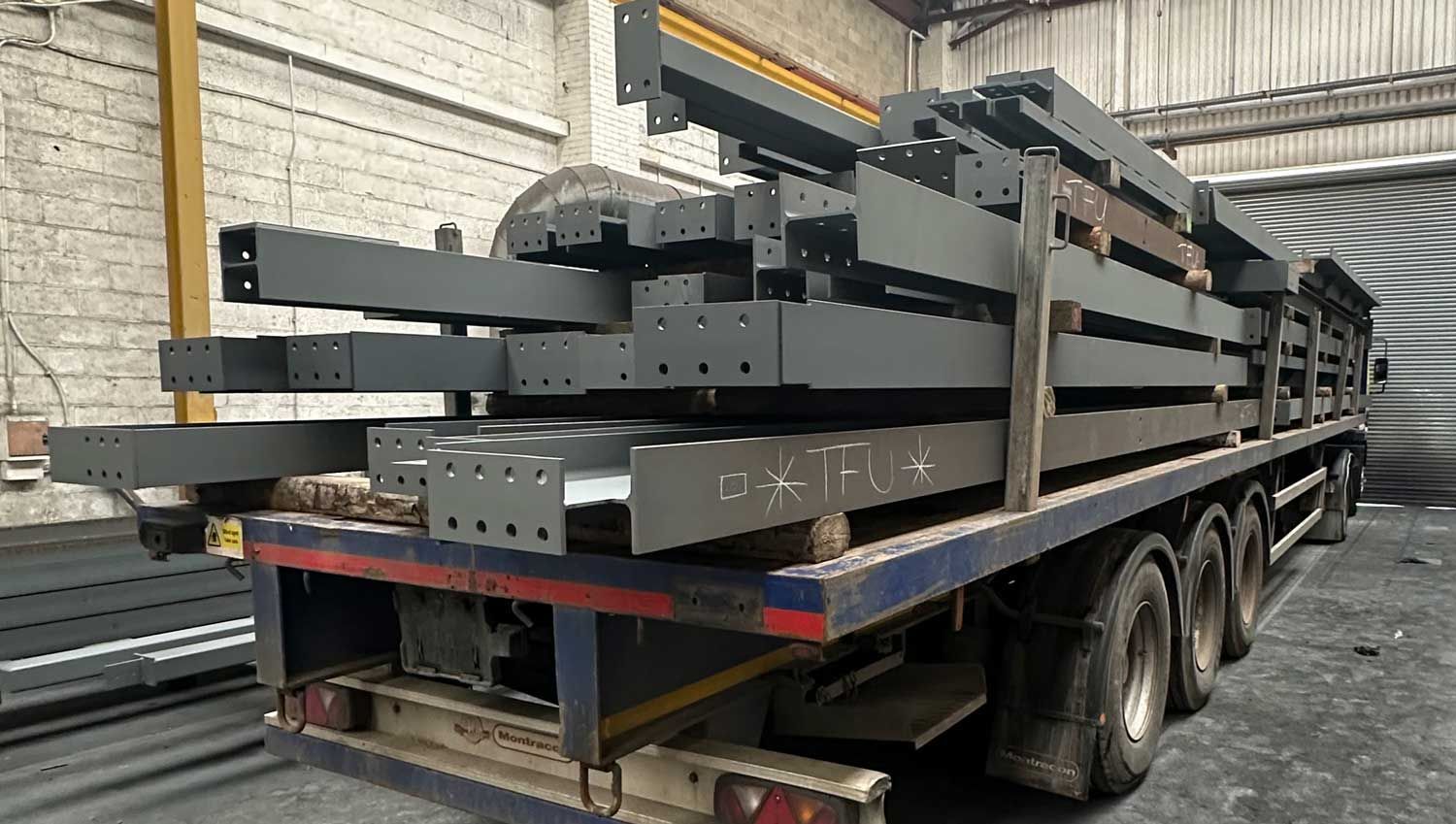
Load of steel ready for delivery
By Joe Holdsworth May 15, 2026
A practical site preparation checklist for builders ahead of steel beam delivery and installation. Covers access, propping, bearings, handling and what to confirm before your steel arrives.
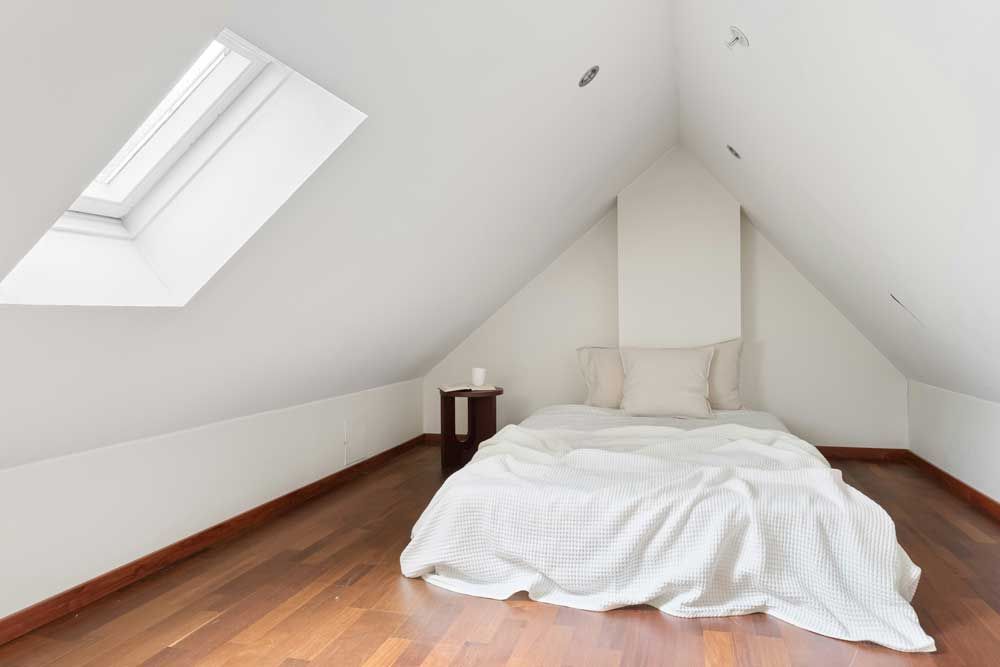
completed loft conversion
By Joe Holdsworth May 1, 2026
Yorkshire's Victorian terraces, stone houses and back-to-backs present unique steel challenges for loft conversions. A practical guide from our Wakefield fabrication workshop.
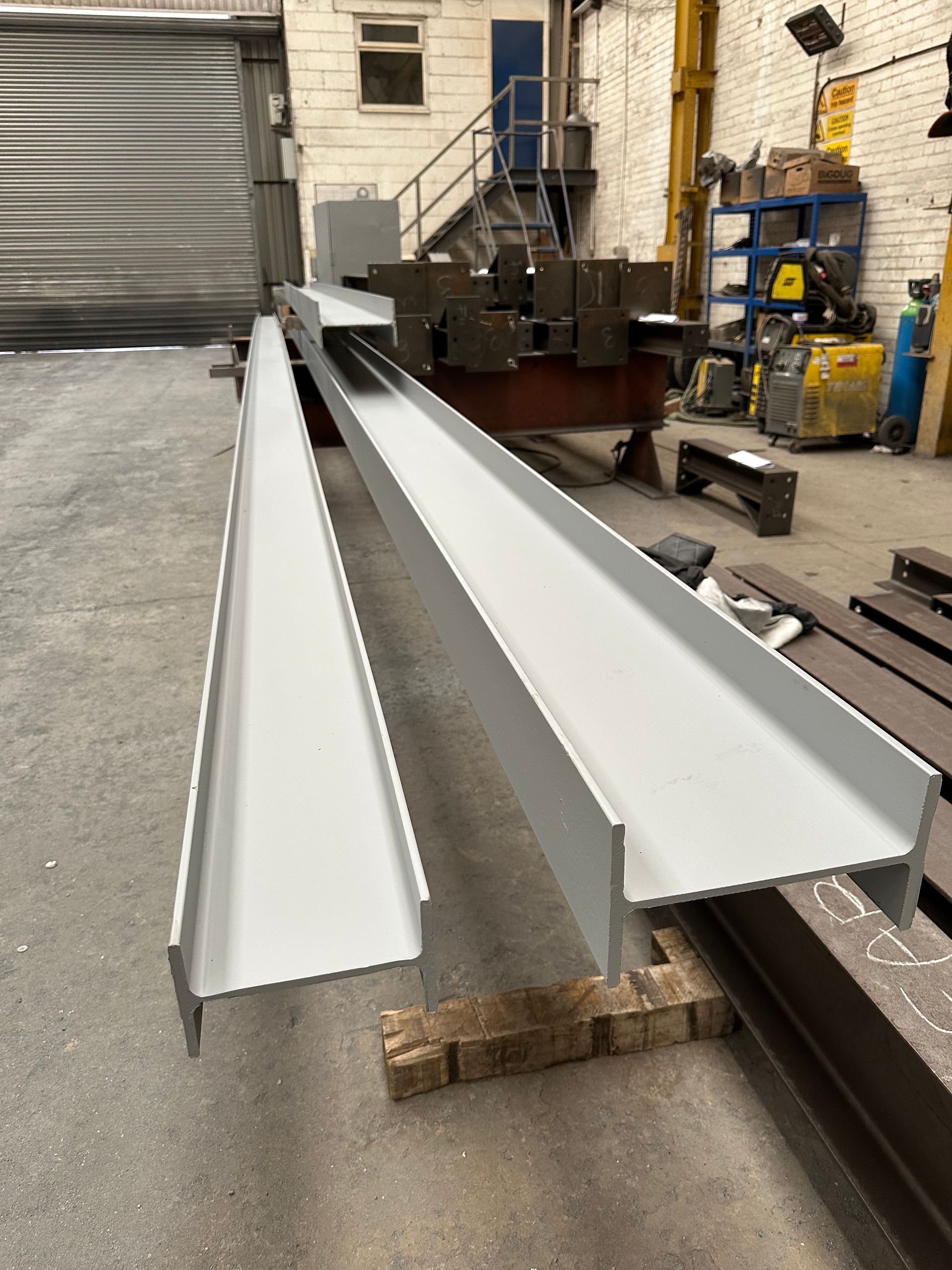
Painted Steel Beams
By Joe Holdsworth April 17, 2026
Not sure which finish to specify for your steel beams? Our practical guide covers shot blasting, primer, powder coat and galvanising so you can choose the right option for every project.
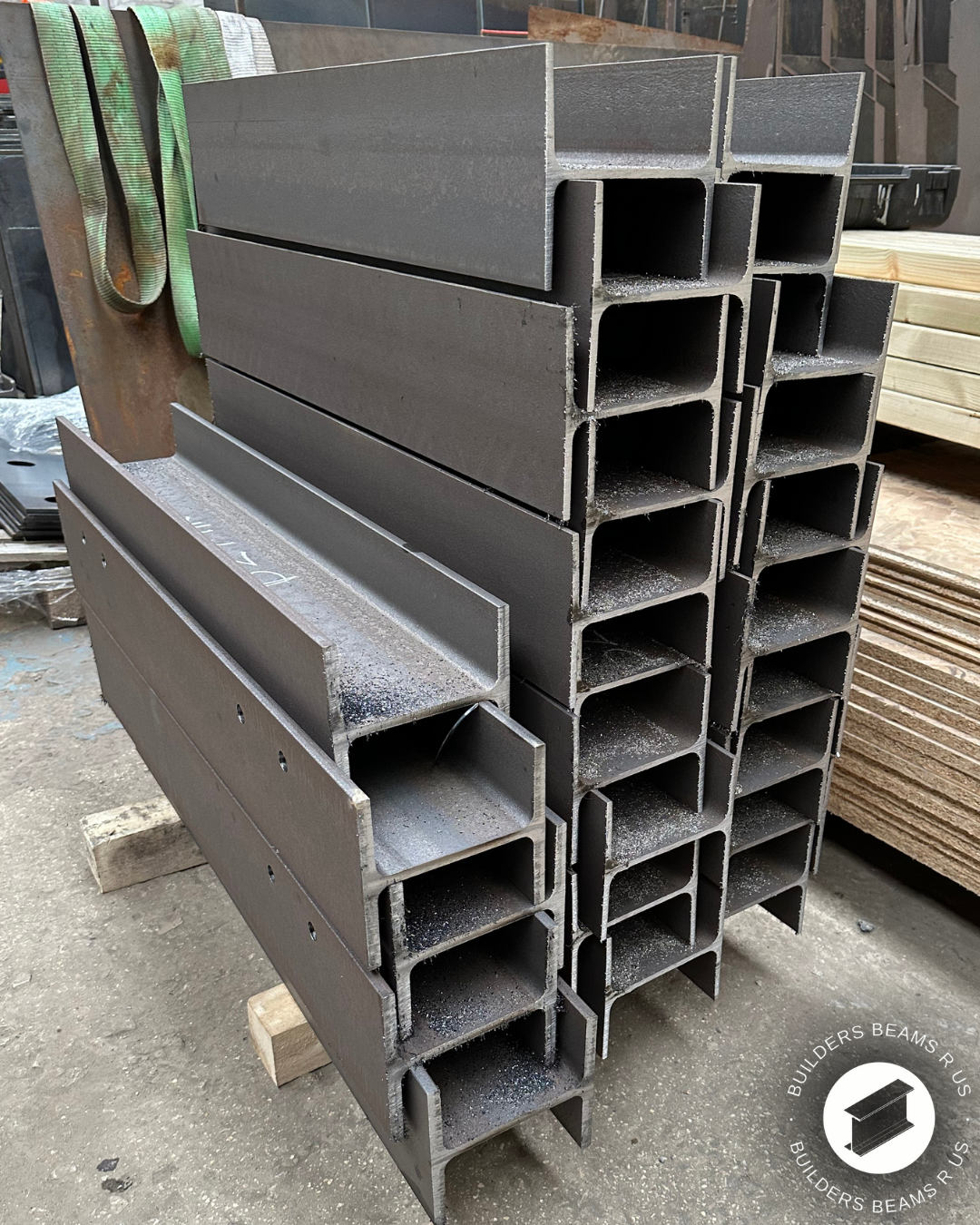
Fabricated steel beams
By Joe Holdsworth April 4, 2026
Not sure what size RSJ you need for a wall removal, extension or loft conversion? Our practical guide covers section sizes, spans and what to send for a quote.
Pile of Steel Beams
By Joe Holdsworth March 20, 2026
Learn how to read a steel beam specification on structural drawings. A practical guide to section sizes, lengths, grades, bearings, plates, holes and notes.
house extension in progress
By Joe Holdsworth March 6, 2026
Avoid delays on site with this practical guide to common RSJ and steel beam mistakes in domestic renovations, including bearings, supports, drilling details, access planning and delivery prep.
Steel in loft conversions
By Joe Holdsworth February 20, 2026
A practical guide to steel in loft conversions. Where beams are commonly required, what details to confirm early, and how to avoid common issues that cause delays on site.
Fabricated Steel Beams
By Joe Holdsworth February 6, 2026
Practical guide for builders on specifying RSJs and builders beams. Learn what to send for a quick quote, finishes to choose, lead times, delivery and installation tips from Builders Beams R Us.
house extension being built
By Joe Holdsworth January 30, 2026
A practical guide to RSJs for extensions in Yorkshire. Sizes, finishes, delivery planning and a clear checklist for fast quotes from Builders Beams R Us.