Steel beams in domestic renovations: common mistakes and how to avoid them

Avoiding delays with RSJs: the small details that cause big problems on site

Domestic renovation work moves fast. Open plan knock throughs, wider door openings, and extension connections often rely on steel beams to carry loads safely. Most steel issues on site are not caused by the beam itself. They are caused by small details that are missed early on. Those details then turn into delays, extra labour, and awkward fixes when the job is already live.


This post covers the most common mistakes builders see with RSJs in domestic renovations and how to avoid them with simple checks.

Mistake 1: Assuming the length is the same as the opening

A beam length is not the same as the opening width. You need bearing on both ends and often padstones or prepared supports. The structural design will specify bearing length. The practical mistake is measuring the clear span and ordering that number.


How to avoid it is simple. Confirm the finished beam length from the engineer’s detail and check the pockets or bearings are formed to match. If the beam includes end plates, confirm whether overall length includes the plates.

Mistake 2: Not checking the support you are bearing onto

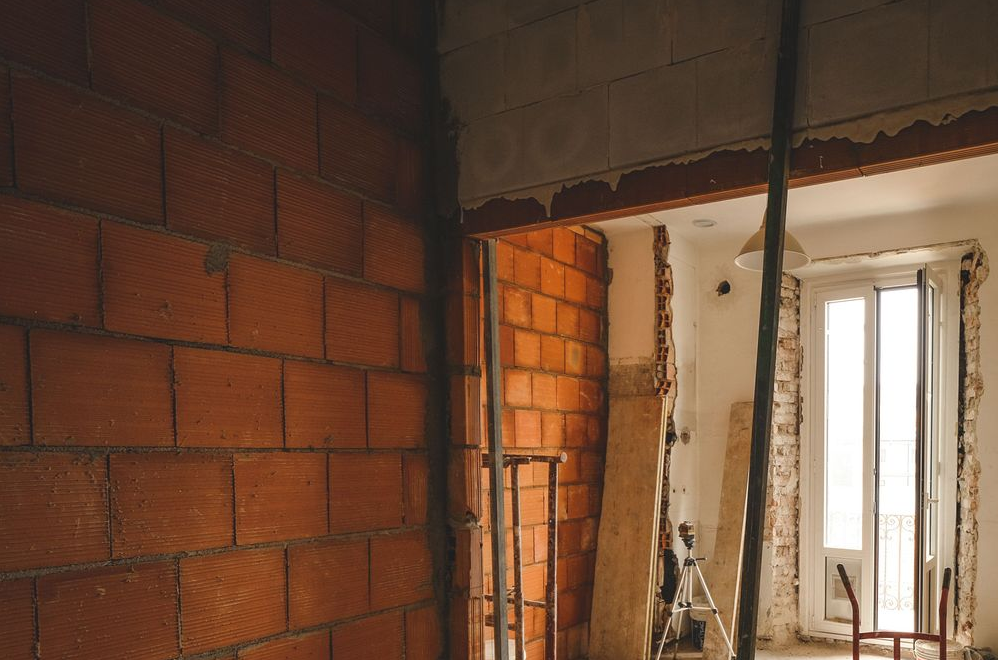
Many domestic jobs involve older brickwork, mixed materials, or walls that have been altered over the years. Even if the beam is correct, the support may not be. Loose masonry, shallow bearings, or poor padstone bedding can lead to cracking and movement.


A quick early check helps. Confirm the wall construction, allow time to form pockets properly, and do not rush the bed for padstones. If a wall looks suspect, flag it before the beam arrives so the support solution can be agreed.

Mistake 3: Stair and opening changes late in the job

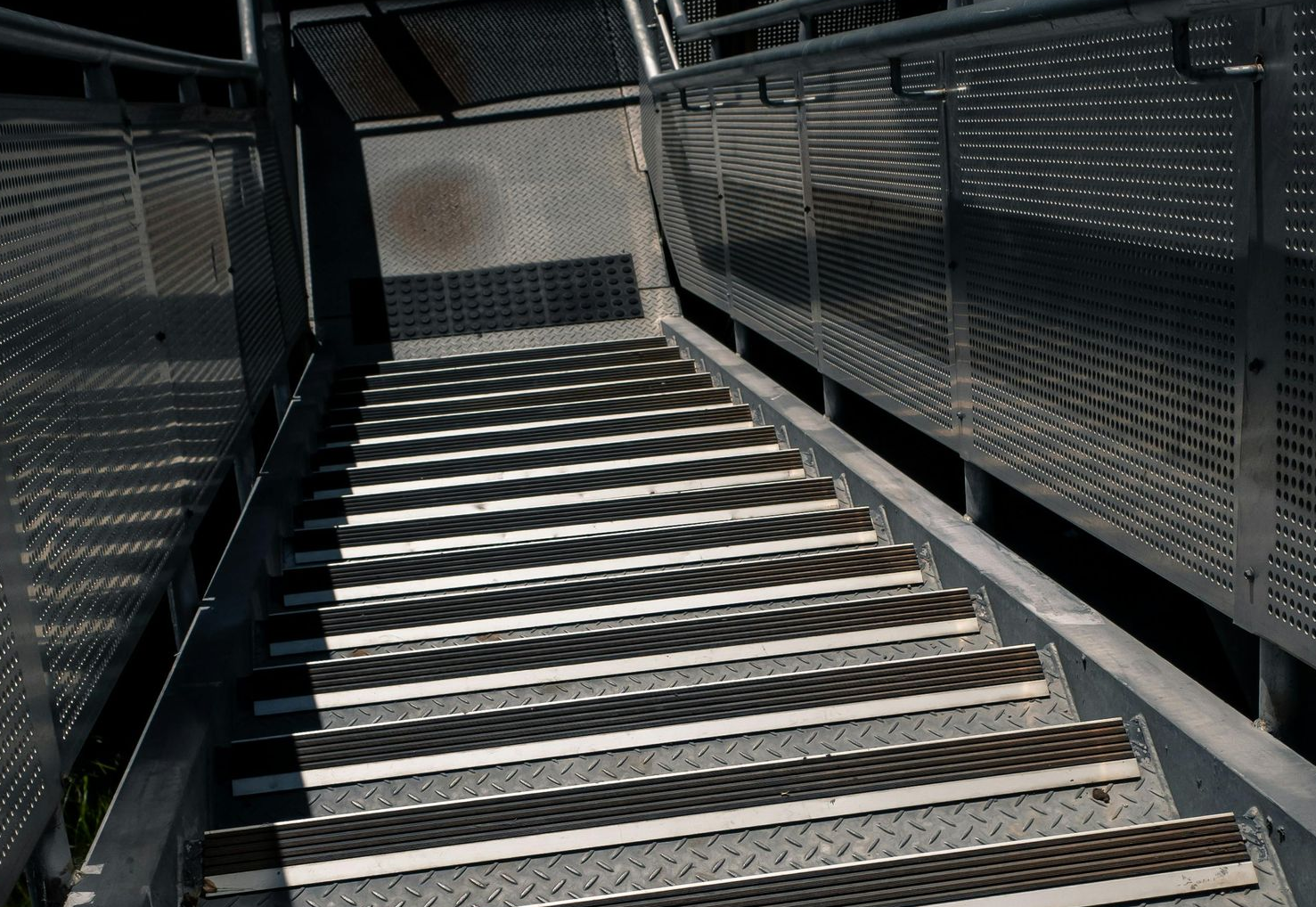
In loft conversions and open plan renovations, stair positions and openings can change once clients see the space. Even small shifts can affect load paths and connection points. It can also affect holes and plates if they are part of the beam detail.


The best way to avoid this is to freeze layout decisions before steel is ordered, especially around stair openings and trimmed areas. If a change is unavoidable, update the engineer’s detail first rather than trying to make it work on site.

Mistake 4: Hole positions without a clear reference

Drilling is straightforward when hole centres are clearly dimensioned from a known edge. Problems happen when the drawing does not specify what the measurement is taken from, or when the datum changes between views.


The fix is to keep references consistent. Hole centres should be shown from one end of the beam and from one face. If you are marking up a sketch, write exactly where the measurements start from and label the faces.

Mistake 5: Not thinking about access and handling

This is the one that catches people out most often. A beam can be correct and still be a nightmare to install if you have not planned the route. Tight stairs, narrow hallways, and low ceilings make internal carrying difficult. Some properties need a gable lift or a roof lift, and that needs planning.


Before the beam arrives, decide how it is getting from the drop point to the final position. If a crane or lifting kit is required, book it and align delivery timing. If the beam is coming through the roof, plan the opening and the safe working area.

Mistake 6: Leaving delivery day preparation too late

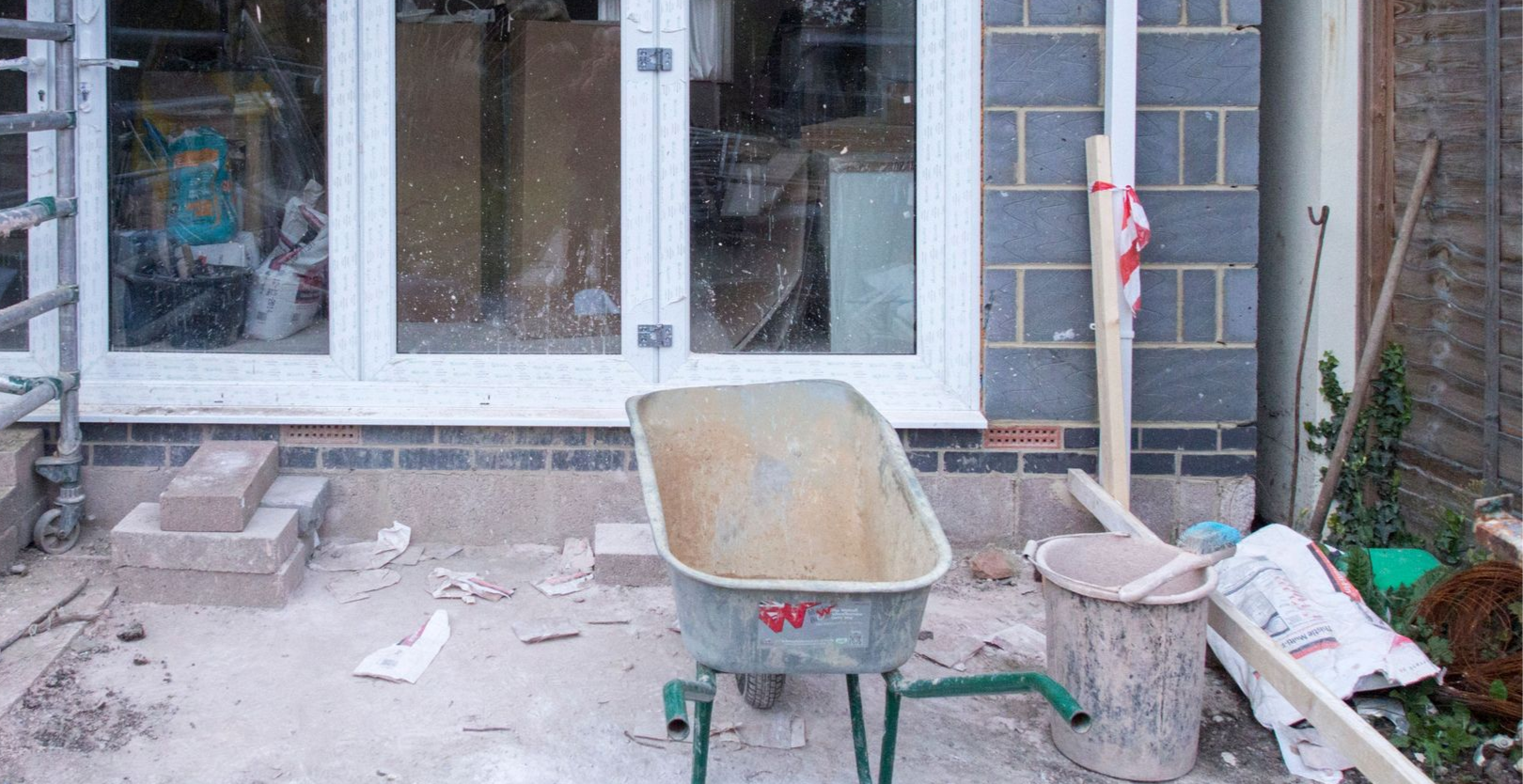
If delivery arrives and the site is not ready, you lose time. Vehicles need a clear drop zone. Beams need a safe set down area. Lifting kit needs to be ready. Even simple things like parked cars can turn a smooth drop into a problem.


A good approach is to confirm the set down point the day before. Clear the area, confirm access notes, and make sure the site contact is available to coordinate.

Mistake 7: Not planning for fire protection build up

Steel in domestic projects is often enclosed for fire protection, typically with plasterboard systems. That enclosure adds thickness and can affect headroom, reveal details, and finishes. If the beam is close to a ceiling line, not planning for the build up can create a clash later.


Plan the build up early and check how it affects finished dimensions. It is easier to adjust now than after plastering starts.

Mistake 8: Treating a primed beam like a finished surface

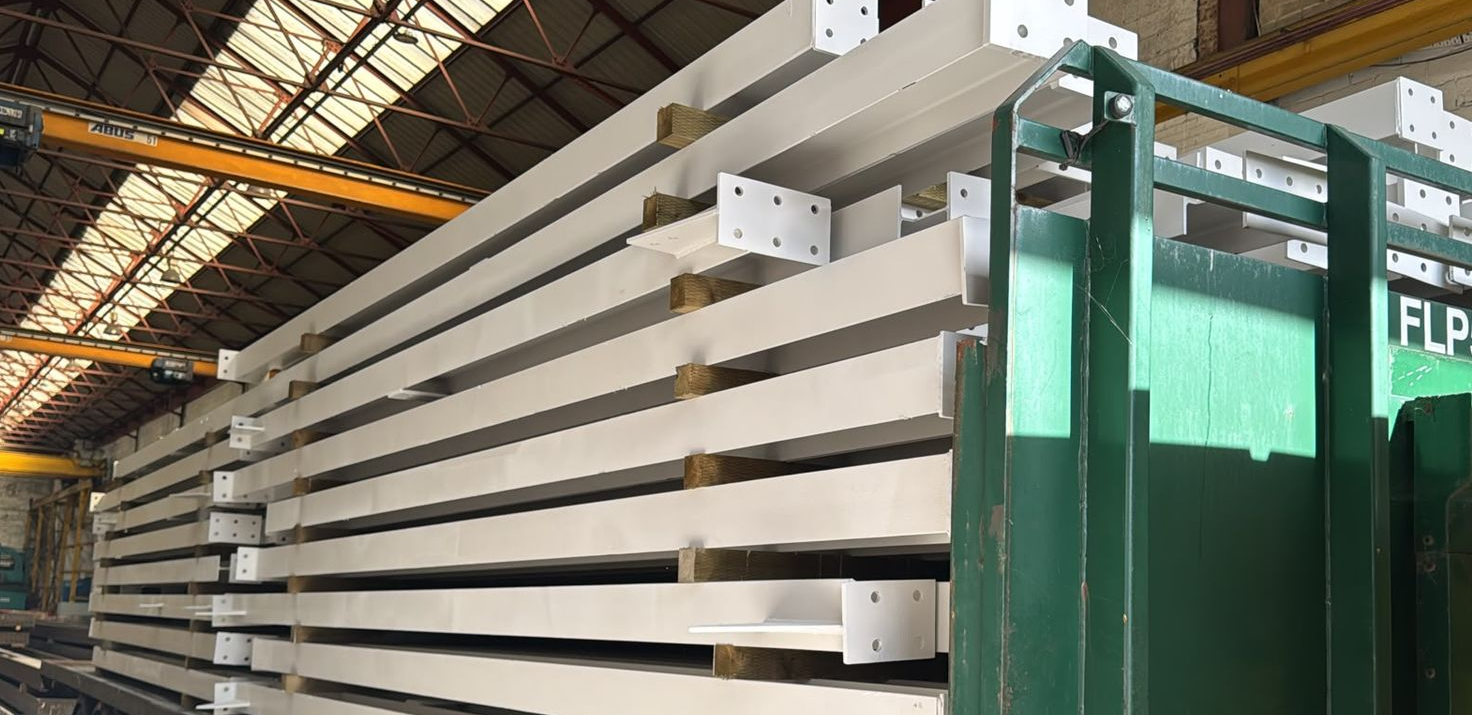
Primer protects steel but it will mark during handling. Some clients expect a perfect look straight away. A primed finish is usually meant for later painting or boxing.


If a beam will remain visible, confirm the finish early. If primer is chosen, plan for touch in after installation and protect it during lifting.

A simple way to avoid most issues

Most RSJ problems disappear when you do three things early. Confirm the engineer’s specification, plan how the steel is getting into position, and lock down openings and layout before steel is fabricated. Those steps keep the site moving and reduce the chance of rework.

Final note

Steel beams are often the turning point in a renovation. Once the beam is in, the job can progress quickly. A few early checks can turn installation day from stressful to straightforward and keep the rest of the build on schedule.

Recent Posts

By Joe Holdsworth February 20, 2026
A practical guide to steel in loft conversions. Where beams are commonly required, what details to confirm early, and how to avoid common issues that cause delays on site.
Fabricated Steel Beams
By Joe Holdsworth February 6, 2026
Practical guide for builders on specifying RSJs and builders beams. Learn what to send for a quick quote, finishes to choose, lead times, delivery and installation tips from Builders Beams R Us.
house extension being built
By Joe Holdsworth January 30, 2026
A practical guide to RSJs for extensions in Yorkshire. Sizes, finishes, delivery planning and a clear checklist for fast quotes from Builders Beams R Us.