
How to read a steel beam specification on drawings

How to read a steel beam specification on  drawings

Structural drawings can look intimidating, but most steel beam specifications follow a predictable pattern. Once you know what to look for, you can pull out the key details quickly and avoid the common mistakes that cause delays on site.


This guide explains the typical information shown for RSJs and structural steel beams, what it means in practice, and what to double check before ordering.

Start with the beam mark

Most drawings label beams with a mark such as B1, B2, UB1 or RSJ1. The mark links the beam on the plan to a schedule or a detail. Your first job is to find the mark and then locate the schedule entry or callout that describes it.


If the drawing includes multiple sheets, the beam mark may point you to another page for connection details.

Section size and type

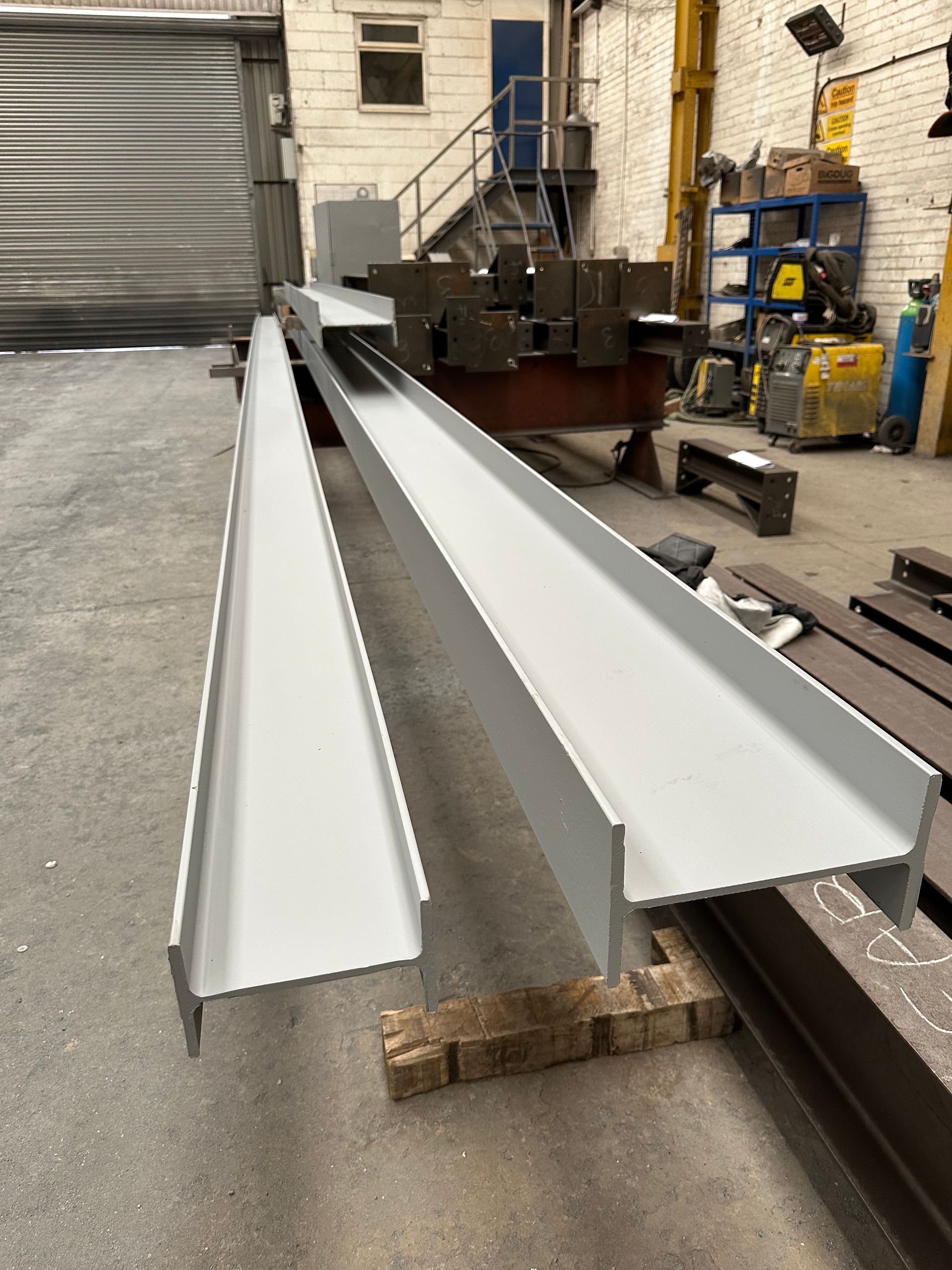
The section type is usually a universal beam or a universal column. You may see a note like UB or UC. Some engineers also use PFC for parallel flange channel.


A common format looks like this:

203 x 102 x 23 UB


This tells you the nominal depth and width of the section and its mass per metre. In this example, the beam is roughly 203 mm deep, 102 mm wide, and weighs 23 kg per metre.


Do not guess section sizes. Use the exact spec shown.

Steel grade

You will often see a grade such as S275 or S355. This is a material property and must match the engineer’s design. Sometimes the grade is listed in the general notes rather than beside every beam.


If the drawing does not show grade clearly, check the notes section or the beam schedule. If still unclear, ask the engineer to confirm.

Finished length and bearing

Drawings may show a beam length directly on the plan, or they may show the span and then specify bearings separately. Finished length is critical and is where mistakes often happen.


Look for one of these approaches:

The drawing states the finished length end to end.

The drawing gives the clear span plus a bearing length at each end.

The drawing gives a setting out line and the beam sits into pockets shown on a detail.


Always confirm how length is being defined. If the beam has end plates, check whether the overall length includes the plates.


Bearings are often shown in the detail, not the plan. They may specify a minimum bearing length and whether padstones are required.

Padstones and support notes

If padstones are required, they may be marked on the masonry detail, listed in notes, or shown as a separate item. The drawing may also specify the padstone size and strength.


Support condition matters. The drawing may state whether the beam sits on masonry, a column, or another steel member. That support type affects connection details.

Holes, plates, stiffeners and cleats

Beams are not always just cut to length. The spec may require:


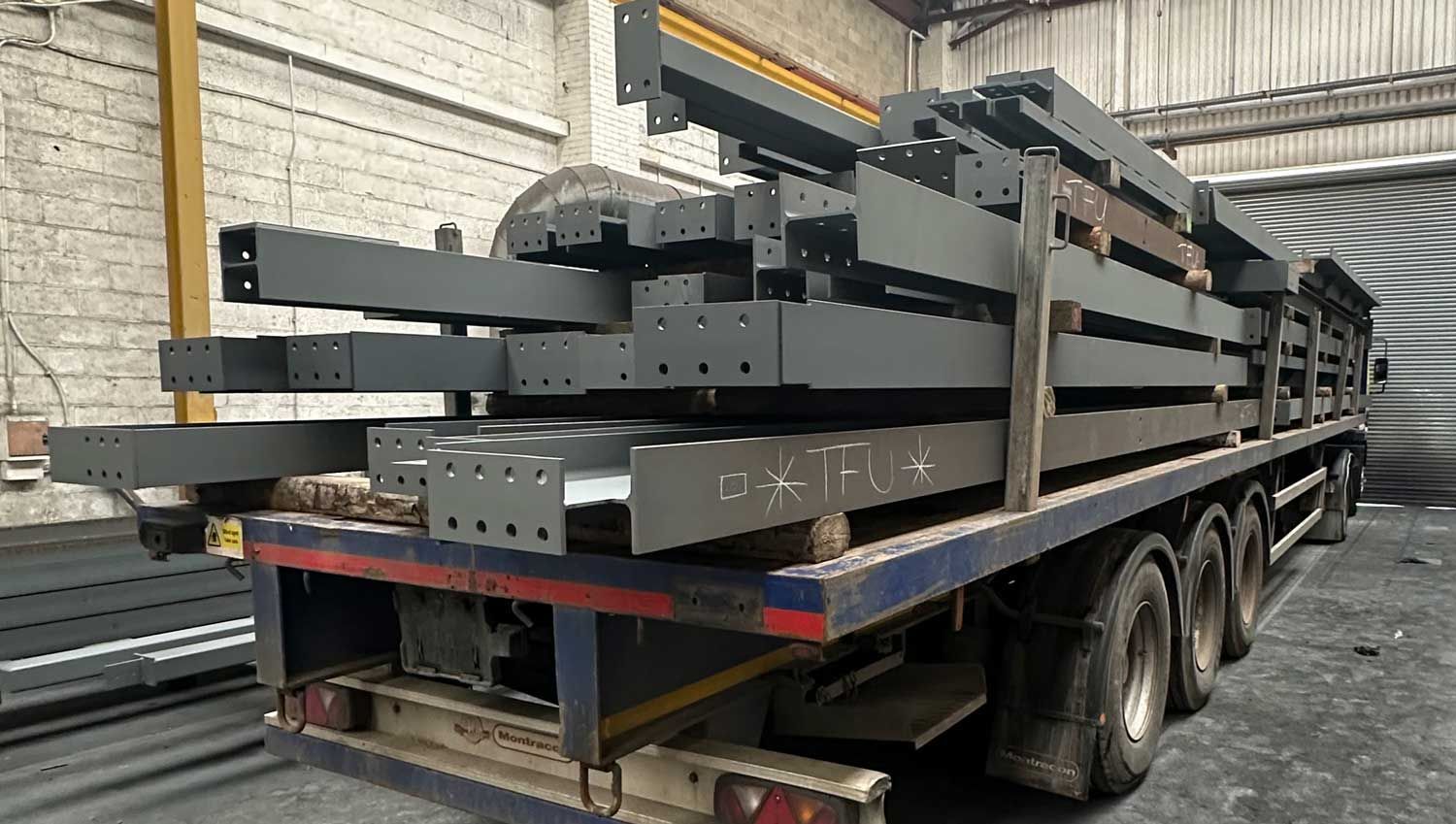
  • End plates: Plates welded to the beam ends for bolting to another member.
  • Base plates: For columns or posts.
  • Cleats: Small plates used for connecting joists or other members.
  • Stiffeners: Plates welded to increase strength at high load points.
  • Drilled holes: For bolted connections.


These details are often shown on separate connection drawings. You might see a note like refer to detail D3 or connection type C2.


A common problem is ordering a beam without the plate pack because the detail is on another sheet. Always check whether the plan is referencing a connection detail elsewhere.

Hole sizes and positions

Hole information should specify diameter and position. Positions are typically dimensioned from a clear datum, such as the beam end or a plate edge, and from a specific face.


When reading hole details, check:

Is the dimension to hole centre or to hole edge.

Is the measurement from the beam end or from the plate edge.

Which face is the datum.

Whether holes are on the web or on a flange.


If the drawing is unclear, it is better to confirm than to assume.

Levels and orientation

Drawings often show levels, especially where steel must align with new floors or existing structures. You may see notes like top of steel level or underside of steel level.


Orientation is also important. Universal beams have a web and flanges. If a beam is rotated or has holes on one face, it needs to be installed the correct way round. Some drawings include arrows or notes like this face outwards.

Coatings and finish notes

The drawing or general notes may specify surface preparation and coatings. This might include shot blasting, primer, intumescent paint, or a powder coat finish where steel remains visible.


Not every drawing includes finish. If the job has a visual requirement or a protective requirement, agree finish early rather than leaving it to the end.

A simple method to read a beam spec quickly

When you open a drawing, scan in this order:

Beam mark on plan

Section size and type

Grade in schedule or notes

Finished length and bearing details

Connection detail references

Holes and plates

Levels and orientation notes

Finish or coating notes


This routine catches most of the issues before they become problems.

Common mistakes when reading drawings

  • Assuming the length is the opening width rather than including bearings.
  • Missing connection details that are on another sheet.
  • Using the correct section size but the wrong grade.
  • Reading hole dimensions from the wrong datum.
  • Not checking level notes and creating a clash with floor build up.
  • Forgetting that end plates can change overall length.


What to do if something is unclear?

If any part of the spec is not clear, the safest approach is to ask for clarification. A quick confirmation on grade, length definition, hole positions or connection types is far quicker than correcting steel after it is fabricated.

Final note

Reading steel beam specifications becomes much easier once you know the patterns. The aim is not to become an engineer. It is to extract the correct details so the beam can be ordered, fabricated and installed without surprises.


If you would like, I can also create a short downloadable checklist version of this guide for the website, which can help builders gather the right details before requesting a quote.

Recent Posts

house extension in progress
By Joe Holdsworth March 6, 2026
Avoid delays on site with this practical guide to common RSJ and steel beam mistakes in domestic renovations, including bearings, supports, drilling details, access planning and delivery prep.
By Joe Holdsworth February 20, 2026
A practical guide to steel in loft conversions. Where beams are commonly required, what details to confirm early, and how to avoid common issues that cause delays on site.
Fabricated Steel Beams
By Joe Holdsworth February 6, 2026
Practical guide for builders on specifying RSJs and builders beams. Learn what to send for a quick quote, finishes to choose, lead times, delivery and installation tips from Builders Beams R Us.
house extension being built
By Joe Holdsworth January 30, 2026
A practical guide to RSJs for extensions in Yorkshire. Sizes, finishes, delivery planning and a clear checklist for fast quotes from Builders Beams R Us.