Steel in loft conversions: practical planning tips for builders
Loft conversions and structural steel: where beams are needed and what catches people out
Loft conversions often look straightforward on paper, but once you open the roof space you are dealing with load paths, existing timber, chimney stacks, party walls and awkward access. Structural steel is frequently the solution that makes the design work, but it can also be the point where projects slow down if details are missed.
This guide covers where steel is commonly required in loft conversions and the practical issues that tend to catch builders out.
Why steel is used in loft conversions
Loft conversions introduce new floor loads and often change how the roof is supported. Existing ceiling joists are rarely designed to act as a floor. Steel beams are used to carry new floor joists, support trimmed openings, and sometimes to take roof loads depending on the design. Steel is compact for its strength, which is useful in tight roof spaces where headroom matters.
The most common places steel appears in a loft conversion
Main floor beams
A typical loft conversion will have one or more main beams running along the length of the property, supporting the new floor joists. These beams often sit into party walls or onto load bearing walls. On some designs, beams may be arranged as a pair with joists spanning between them, helping reduce spans and deflection.
What can catch people out is the bearing detail. You might have the right beam size, but if the bearing length is not achieved or the support is weak, the install becomes difficult. It is worth checking the wall condition early, especially in older properties where brickwork can be soft or uneven.
Ridge or purlin support
Some loft designs introduce steel to support roof elements, particularly when purlins are undersized or altered. In dormer conversions, steel can also support the new dormer structure and help transfer loads back to suitable supports.
The common issue here is that roof spaces are rarely square. Setting out steel around rafters, purlins and bracing can become a tight fit. A careful measure and a realistic installation plan help prevent a last minute struggle.
Trimmers around the new stair opening
The new stair often creates a large opening in the existing structure. Trimmers and connections are designed to distribute loads around that opening. Steel may be used for the trimmer, or steel may be used to support timber trimmers depending on the engineer’s approach.
This is one of the biggest snag areas because stair position can shift as the build progresses. If the stair opening moves by even a small amount, hole positions and connection details may also change. Freezing stair layout early makes the steel stage much smoother.
Support for chimney breasts or stacks
In some properties, chimney breasts are reduced or removed at loft level. Steel may be used to support remaining masonry or to form goal post arrangements.
Chimneys are heavy and often involve party wall considerations. The practical issue is not just the beam itself but the sequencing and temporary works required to keep things safe. Allow time for approvals and make sure the engineer’s detail is followed precisely.
Dormer construction
Dormers can involve steels that form the dormer opening and support the new dormer cheeks. In some cases steel is used to create a robust perimeter so that loads are taken back into the building.
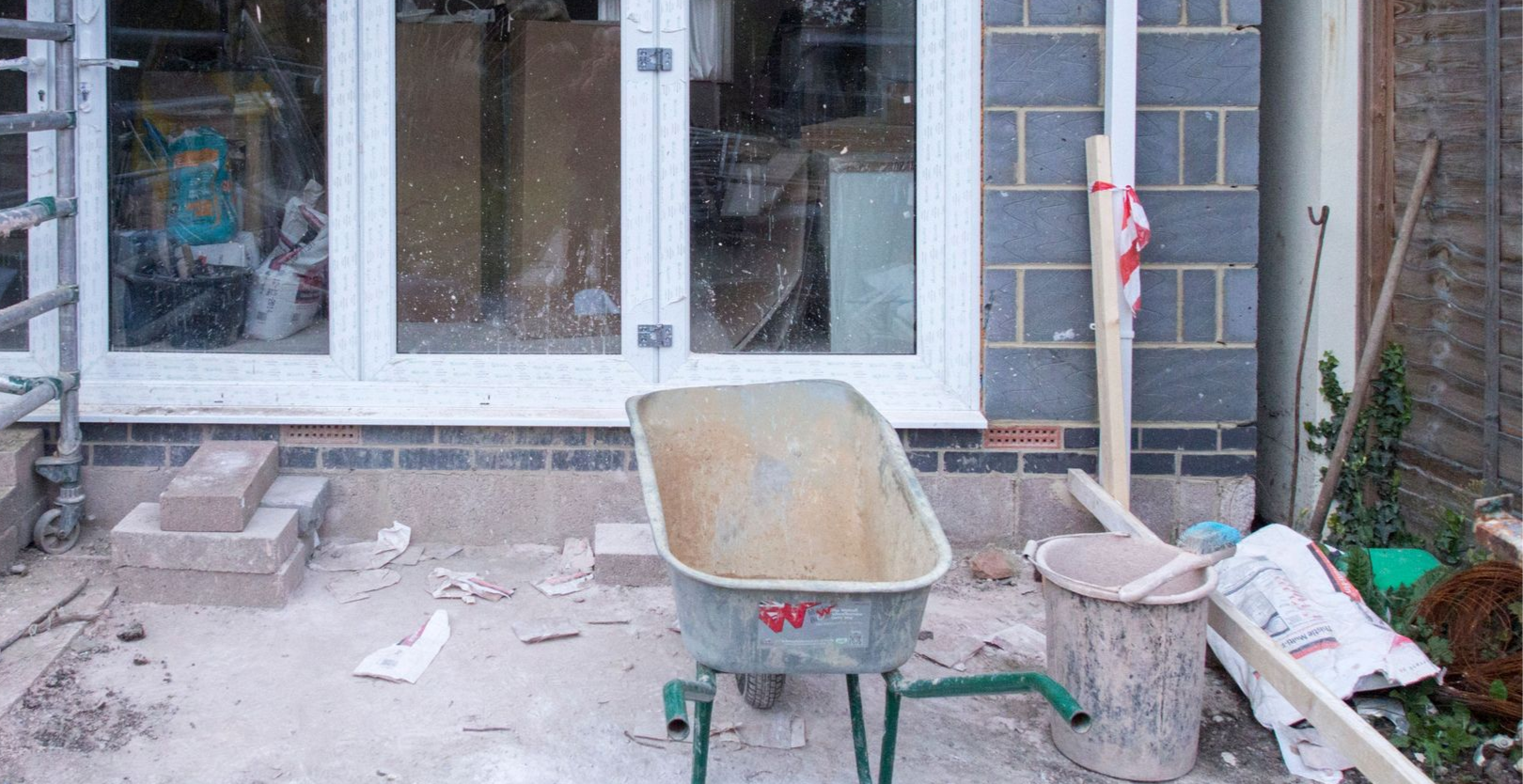
Dormers are exposed to weather during construction. If steel is being installed during an open roof stage, it is worth planning storage and protection so it is not left sitting wet or on bare ground.
Practical issues that commonly cause delays
Access and handling
Loft steels are often long and heavy, and moving them through a domestic house can be the hardest part. Narrow stairs, tight turns, finished floors and low ceilings all complicate handling.
Many builders plan for delivery but not for the route from the drop point to the loft. Think about whether the steel is coming through the roof, through a gable opening, or up internal stairs. If a crane or hoist is required, book it early and line up delivery timing to match.
Bearings and padstones
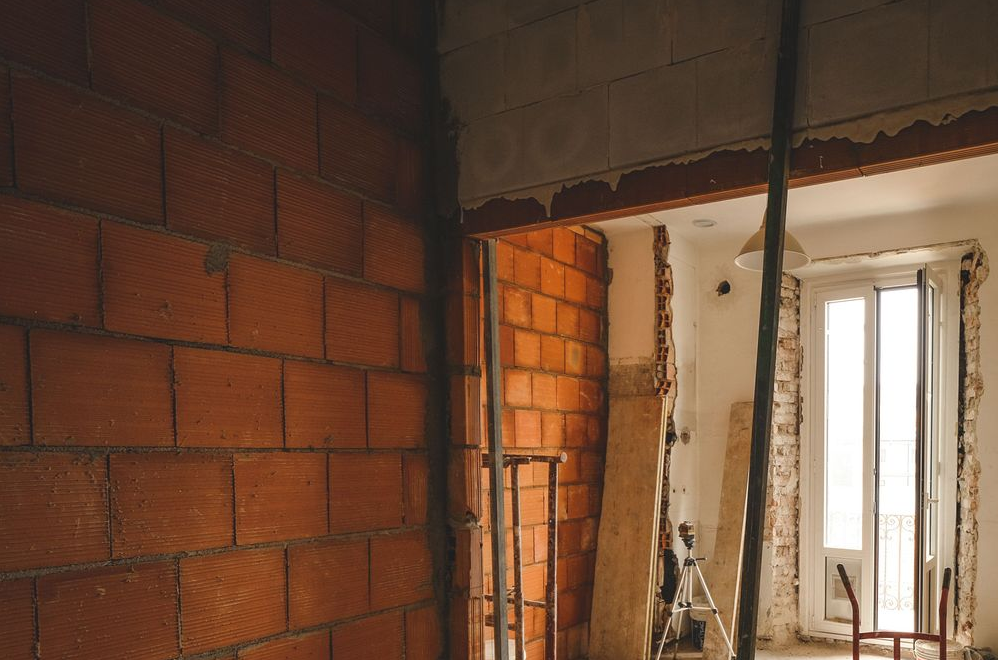
Even if the engineer specifies padstones, the real world wall condition matters. If brickwork is crumbly or uneven, seating a padstone properly can take longer than expected. Rushing this step leads to poor bearing and future cracking.
Confirm where padstones go, how they are bedded, and whether any local strengthening is required. It is also worth checking the exact bearing lengths shown on the design so the pocket can be formed correctly.
Levels and tolerances
Loft conversions expose you to old building tolerances. Walls can be out of level, ridge lines can dip, and floor lines can vary room to room. A beam that is level relative to one end might still create headroom conflicts elsewhere.
This is where early measuring and realistic packing allowances help. Set out levels properly before you commit to cutting pockets and fixing joists.
Last minute design changes
Changes often happen when a client adjusts the stair position, adds a dormer window, or requests a different layout. Small layout shifts can change loading and connection details.
It is usually better to freeze the design and proceed than to keep making minor tweaks through the build. If a change is unavoidable, get it confirmed by the engineer before steel is fabricated or installed.
Fire protection planning
Many loft conversions require fire protection to meet building control requirements. Steel may need to be enclosed, usually with appropriate plasterboard systems. This affects build up thickness and can impact headroom and finish lines.
Plan the fire protection build up early so the final space works as expected.
A simple sequencing approach that works well
A common sequence is to form bearings and padstones, confirm levels, deliver steel, install main beams, then hang or place new floor joists, then form trimmers and stair opening details. Roof structure changes and dormer steels typically follow after the new floor is stable and safe access is in place.
Your engineer’s design and your risk assessment always come first, but a clear sequence avoids rework.
Final note
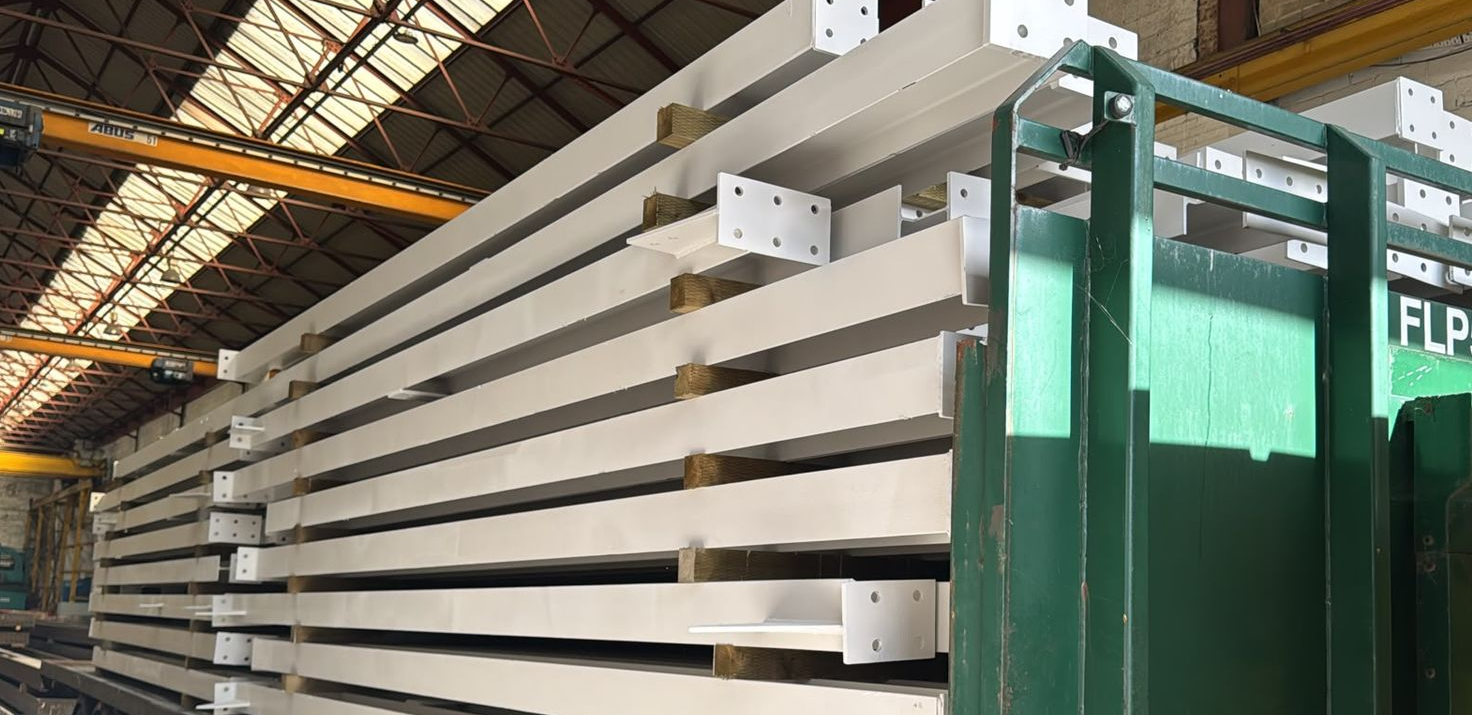
Loft conversions rarely fail because the steel is complicated. They fail because access, bearings, levels and layout changes are not planned early enough. If you can lock down the stair position, confirm bearings and padstones, and plan the handling route before the steel arrives, the install becomes far calmer and the job stays on schedule. If you need high quality, made to measure steel we are here to help.